
Esta semana, nosotros hablamos de la cultura del fatalismo y de machismo en oposición a marianismo. La cultura de fatalismo es muy interesante a mi. Es el aceptación del destino o de la voluntad divina. Lo entiendo, pero creo que es un método para dejar por imposible ti mismo. Nosotros hablamos sobre cómo afecta el fatalismo si los pacientes desean hacerse una prueba para detectar el cáncer. Algunos creen “es lo que es,” “no puedes cambiar destino” y “que sea lo que Dios quiera.” So, this idea influences the way Latino patients approach healthcare. Ellos evitan ir al médico. I see the bigger problem as how because of this belief preventative care and hygiene remains at an all time low and no major positive changes in healthcare are able to evolve.
Las ideas del machismo y marianismo también afectan la vida cotidiana de los Latinos. Machismo encarna masculinidad exagerada y marianismo encarna la pureza y la virgen. As, we entered our new vocabulary which was geared towards sexual health and women’s health it was important for us to understand this dichotomy that is rooted deep in religion. Esta dicotomía define los límites extremos de género. El responsable, primer hombre de la casa y la mujer pura de la casa. The gender confines seem to be situated contextually in the house in order to set the expectations for young adults. As I’ve seen with many families not just within the Latino community, finding a middle ground between the two gender extremes is difficult. Un hombre es un proveedor o un vagabundo y una mujer es una virgen o una puta.
All of this new knowledge was in real time situated right before and right after my Global Brigade trip to Honduras, so I was able to understand more family dynamics while I was there and when I got back I understood the environment I was in even more. During our clinical days, we did test a large amount of women from each of the two communities for cervical cancer and a handful of men from each of the communities for prostate cancer. Esta tan feliz de ver a la gente tomar el control de sus vidas. I hope that men and women especially the men and women in impoverished communities continue to advance their knowledge in preventative healthcare and hygiene and continue to break down the gender confines in order to evolve into a better state all around. 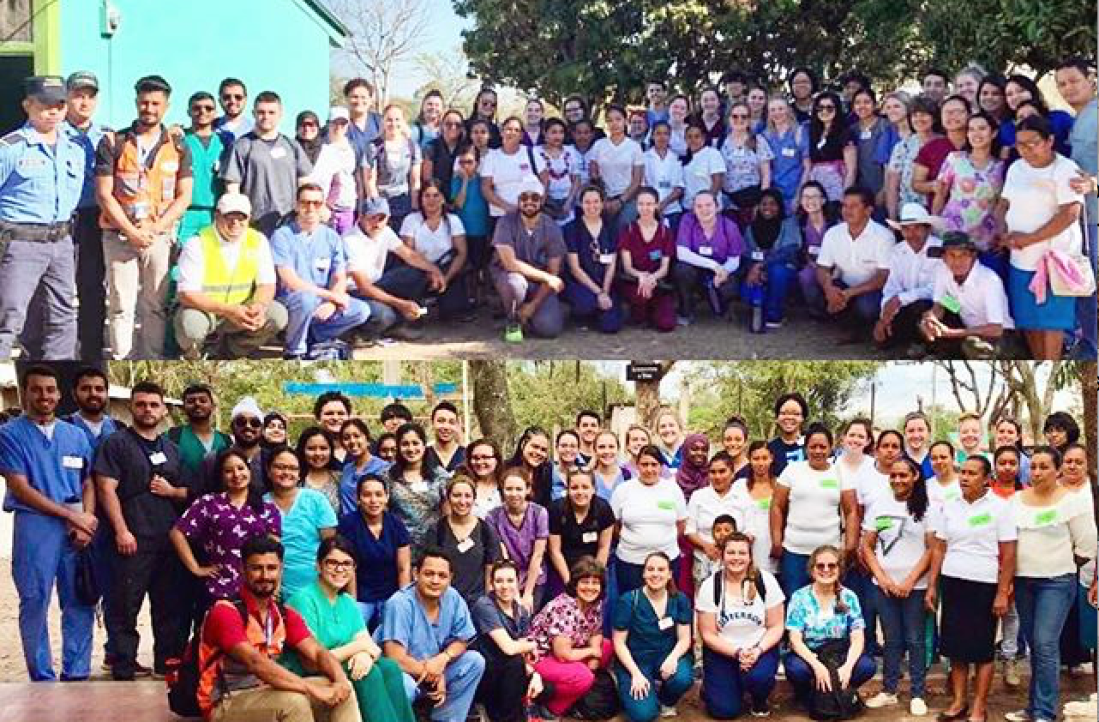
Hacienda Valladolid, La Paz, Honduras y Miravalle, La Paz, Honduras ❤
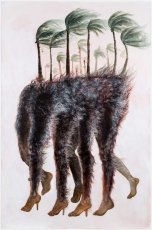 Even though I’ve had art classes and studied famous Hispanic artists such as Pablo Picasso and Salvador Dali, I have never thought much about how deep Hispanic art and culture really is. Learning about how deep their art goes and how blended the culture is with other ethnicities helped further my understanding in the common mistake of assuming the Hispanic culture as simple.When I signed up for Medical Spanish, I thought I would be constantly learning and memorizing words, but it is so much more. I looked past this class just as I wrongly looked past the culture it embodies.
 Mi Diario